
Starter Course Shingles
Starter Course Shingles - When it comes to the eaves of a roof, applying starter shingles helps cover the joints between the finished shingles, providing an added layer of waterproofing. First course of shingles installed along the drip edge at the eaves below the first exposed course of shingles. Every great roof starts with the right foundation—meet the starter shinglein this step of your roof replacement, slopepro installs the starter shingle—the fi. A starter strip can be cut and inverted shingles, or a roll product can be used called shingle starter. if you saw neither, but simply the first course going down over the underlayment, you have reason to be concerned. Shingle installation begins with starter shingles that are installed along the eave and rake edges. They're essentially the foundation of your roof. Cut off or a starter strip that comes on rolls in various widths. What exactly is, a starter shingle? The starter course is the first row of shingles and ensures proper water drainage. This ensures proper installation and maximum protection against wind and water damage. They're essentially the foundation of your roof. • ®tamko shingle starter course shingles are factory cut to eliminate the difficulty of field cutting 3 tabs and roll roofing materials. In addition, this starter course protects the roof by filling in any gaps. Each shingle must be gapped from the shingle beside it by roughly 3/16. Shingle starter strips is a starter course before installing the actual shingles. Allows for proper alignment of shingle courses. First course of shingles installed along the drip edge at the eaves below the first exposed course of shingles. What exactly is, a starter shingle? Tom melillo, residential project manager, roof services: The main goal of starter strips is to provide a secure base for regular shingles and drip edges. That’s where starter shingles come in, they lay the foundation. Cut off or a starter strip that comes on rolls in various widths. They can also be used as a rake edge strip to stop wind uplift. Here’s a short guide to cutting and installing these starter shingles on your roof. Improving the overall durability of your roof. Starter strips have the advantage of stiffening shingles above and, viewed from below, providing a clean, unbroken line. For something as important as keeping your property protected from bad weather, certain steps are needed for a successful roof installation. If these first shingles are not installed correctly, there will be problems with the entire set of shingles. Each shingle must. Place this modified shingle at the bottom edge of the roof, overhanging the drip edge by about 1/4 inch. • ®tamko shingle starter course shingles are factory cut to eliminate the difficulty of field cutting 3 tabs and roll roofing materials. They can also be used as a rake edge strip to stop wind uplift. Starter shingles are factory cut. A starter strip can be cut and inverted shingles, or a roll product can be used called shingle starter. if you saw neither, but simply the first course going down over the underlayment, you have reason to be concerned. You do need to use a starter course with architectural shingles. A standard starter shingle begins at the bottom and edges. Shingle starter strips is a starter course before installing the actual shingles. • ®tamko shingle starter course shingles are factory cut to eliminate the difficulty of field cutting 3 tabs and roll roofing materials. Can you use regular shingles instead? If these first shingles are not installed correctly, there will be problems with the entire set of shingles. Tom melillo,. They're essentially the foundation of your roof. That’s where starter shingles come in, they lay the foundation. When it comes to the eaves of a roof, applying starter shingles helps cover the joints between the finished shingles, providing an added layer of waterproofing. • the first course of shingles is the most critical to ensure proper alignment of the courses.. Shingle installation begins with starter shingles that are installed along the eave and rake edges. This ensures that water doesn’t seep through the joints and cause leaks, like a shield. • the first course of shingles is the most critical to ensure proper alignment of the courses. Unlike regular field shingles, which overlap to create a seamless water flow, the. Starter shingles are the key to making sure shingles aren’t severely impacted by wind and storm damage. The starter edge will help seal the edges and cover your shingle joints. On average, starter shingles range from $0.50 to $2 per linear foot. Can you use regular shingles instead? The main reason for a starter course is to fill the gaps. • ®tamko shingle starter course shingles are factory cut to eliminate the difficulty of field cutting 3 tabs and roll roofing materials. A standard starter shingle begins at the bottom and edges of roofs, and should have five or six nails holding it down for added security. Also known as starter strips, this is the first line of shingles installed. Shingle installation begins with starter shingles that are installed along the eave and rake edges. Also known as starter strips, this is the first line of shingles installed on a pitched roof. They're essentially the foundation of your roof. Can you use regular shingles instead? First course of shingles installed along the drip edge at the eaves below the first. The main reason for a starter course is to fill the gaps between the keys on the shingles. What exactly is, a starter shingle? Improving the overall durability of your roof. • tamko® shingle starter course shingles also come with a factory sealant strip to eliminate Starter shingles are the first layer of shingles installed along the eaves and rakes, providing a solid base for the remaining shingles. • ®tamko shingle starter course shingles are factory cut to eliminate the difficulty of field cutting 3 tabs and roll roofing materials. This ensures proper installation and maximum protection against wind and water damage. A starter strip can be cut and inverted shingles, or a roll product can be used called shingle starter. if you saw neither, but simply the first course going down over the underlayment, you have reason to be concerned. The main goal of starter strips is to provide a secure base for regular shingles and drip edges. This gap allows for expansion of the shingle and prevents the shingles from buckling as and if they gain moisture. They can also be used as a rake edge strip to stop wind uplift. They're essentially the foundation of your roof. Cut off the tabs of a full shingle, leaving only the top portion with the tar strip. The starter course is the first row of shingles and ensures proper water drainage. A standard starter shingle begins at the bottom and edges of roofs, and should have five or six nails holding it down for added security. Nail the starter strip in place.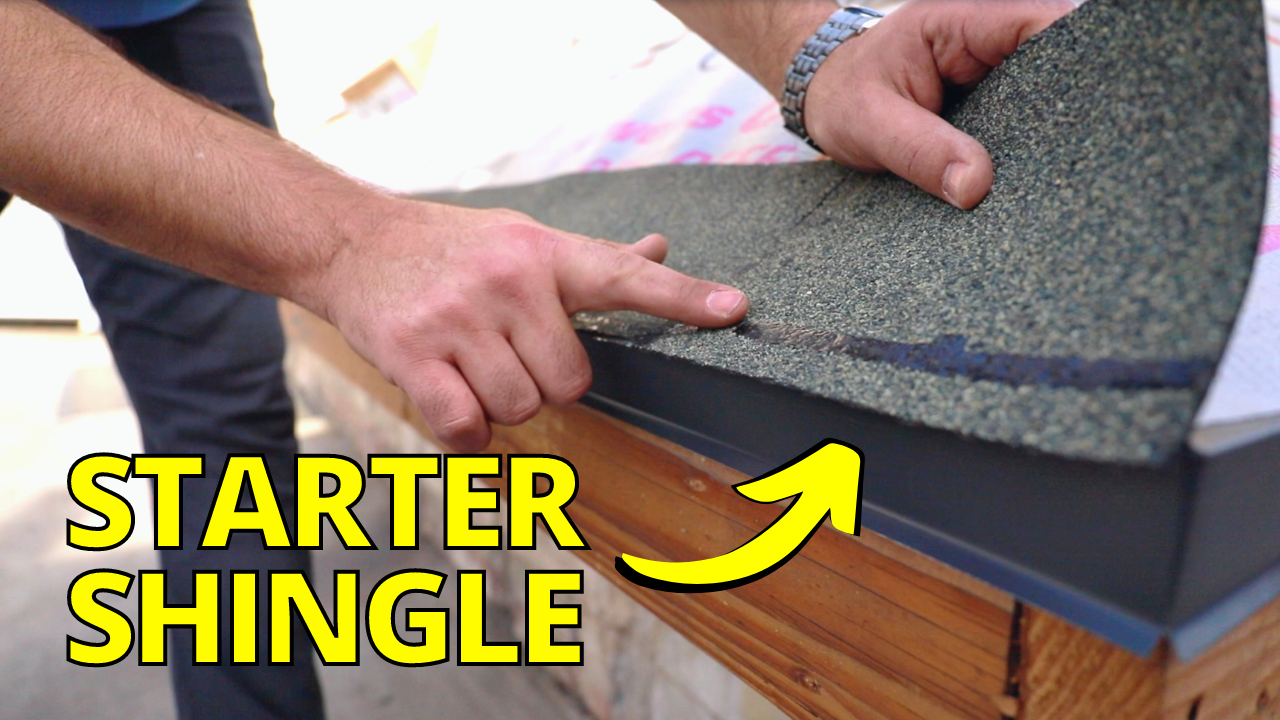
How to Install Starter Strip on a Shingle Roof Roof Repair Specialist

Starter Shingles What are they and what are they used for? Agassiz

How To Install Starter Strip Roof Shingles Roof Shingles For
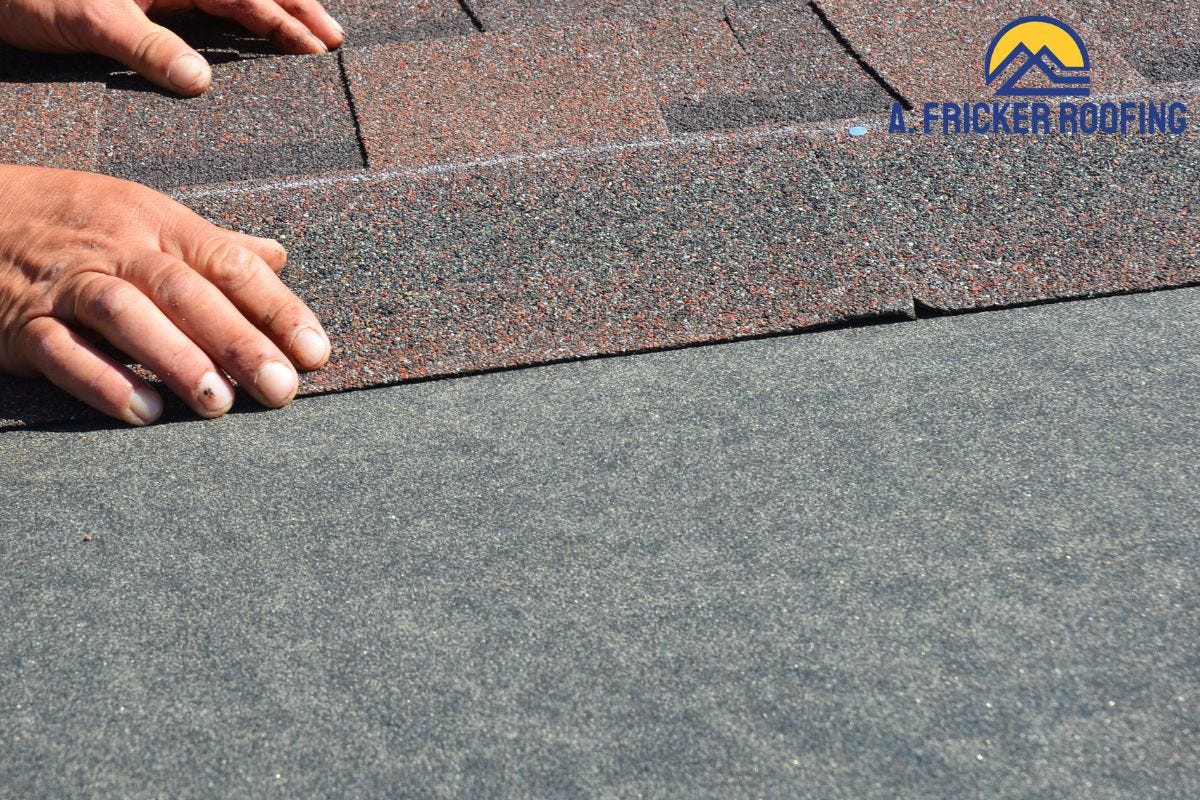
What Are Starter Shingles, And Why Do You Need Them? A. Fricker

Leading Edge Plus Roofing Starter Strip Shingles IKO Roofing
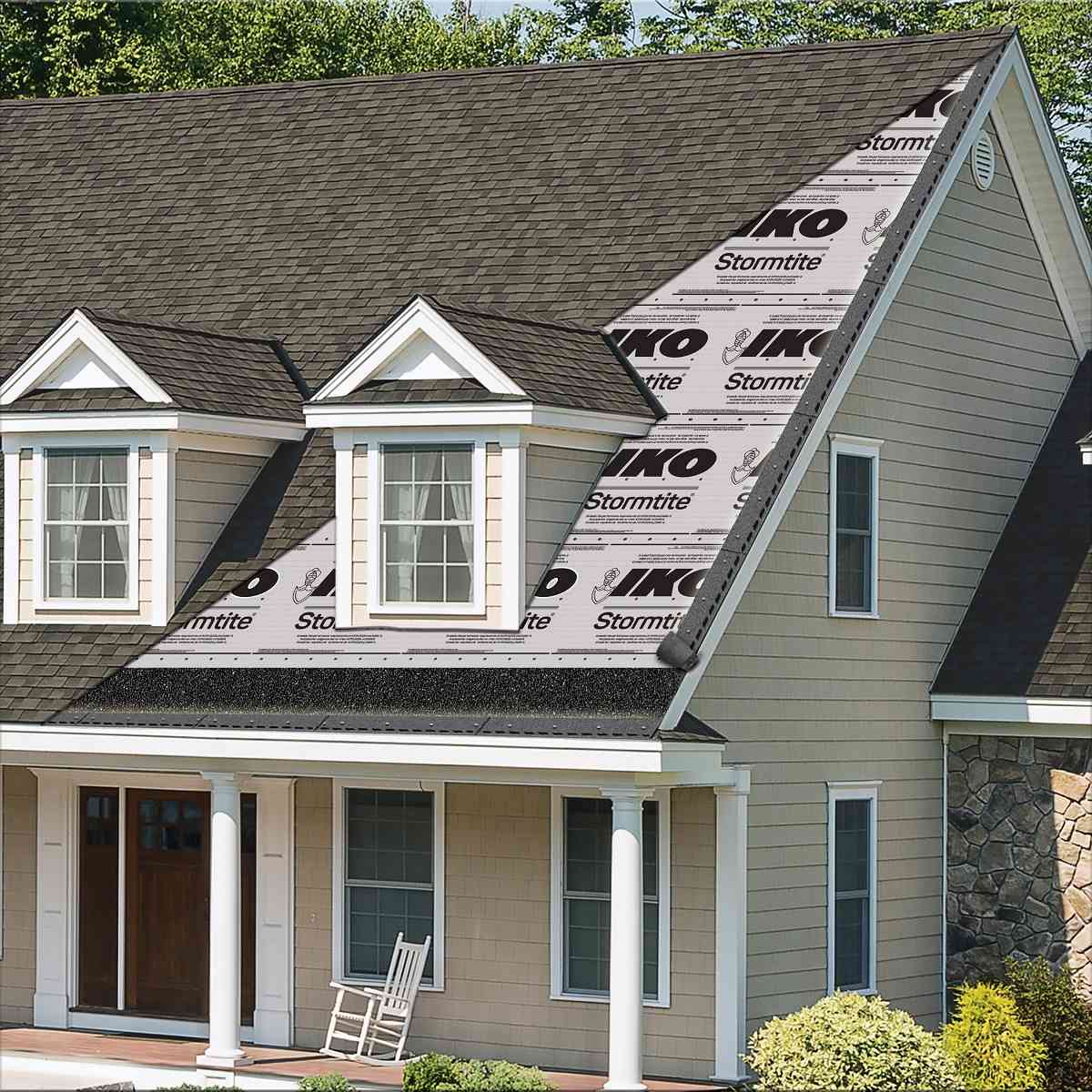
The Purpose of Starter Shingles Their Use & Function IKO
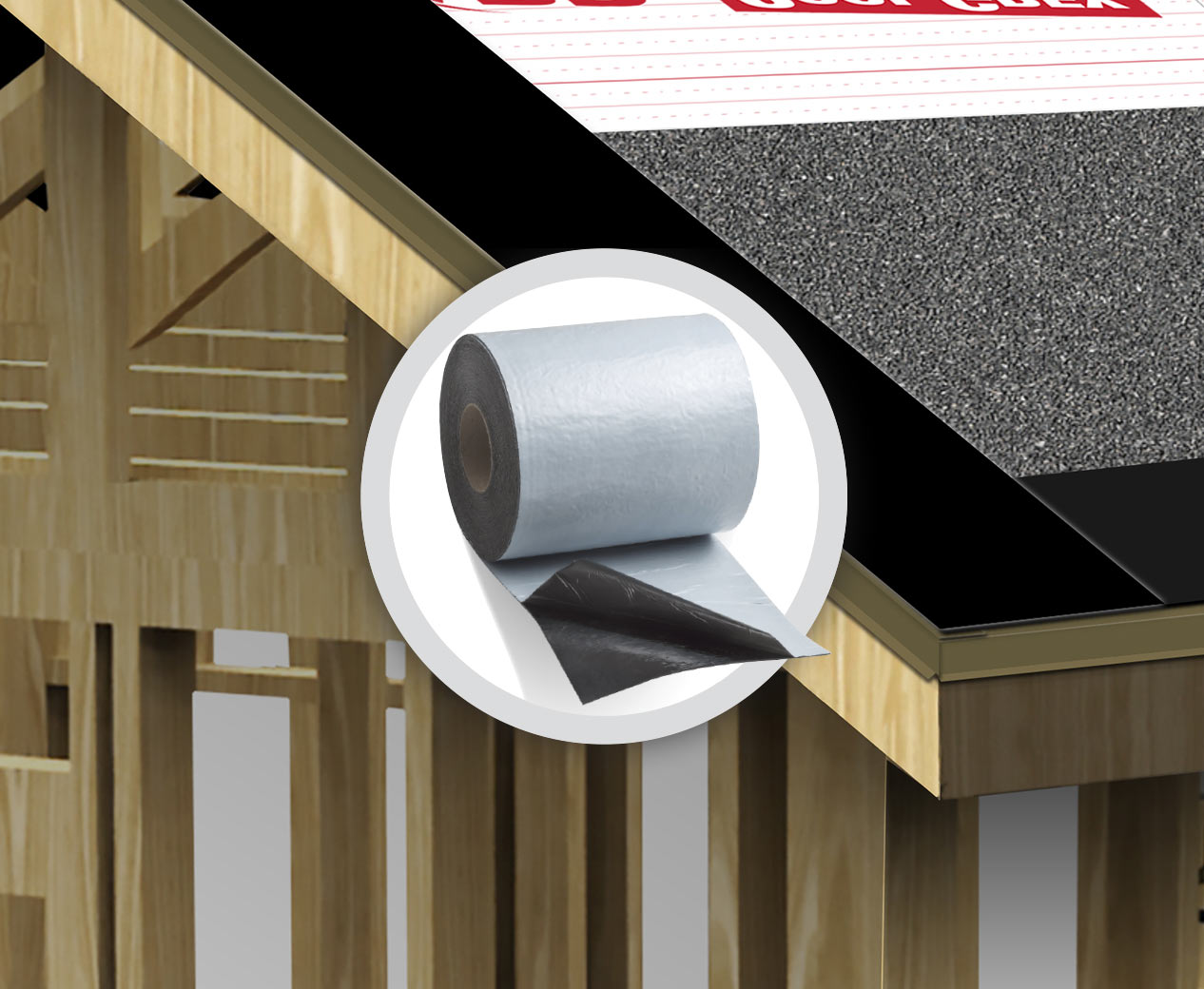
The Purpose of Starter Shingles Their Use & Function IKO

Owens Corning Starter Strip Shingle Black Starter Roof Shingles ( 105
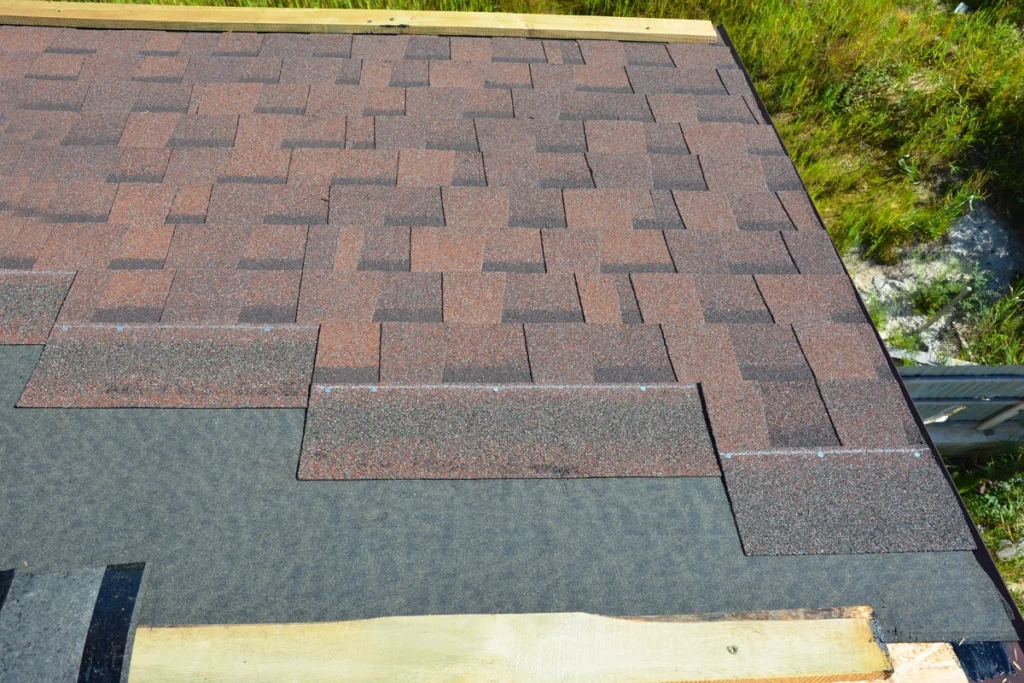
Complete Guide To Starter Shingles Cost, Purpose & More!
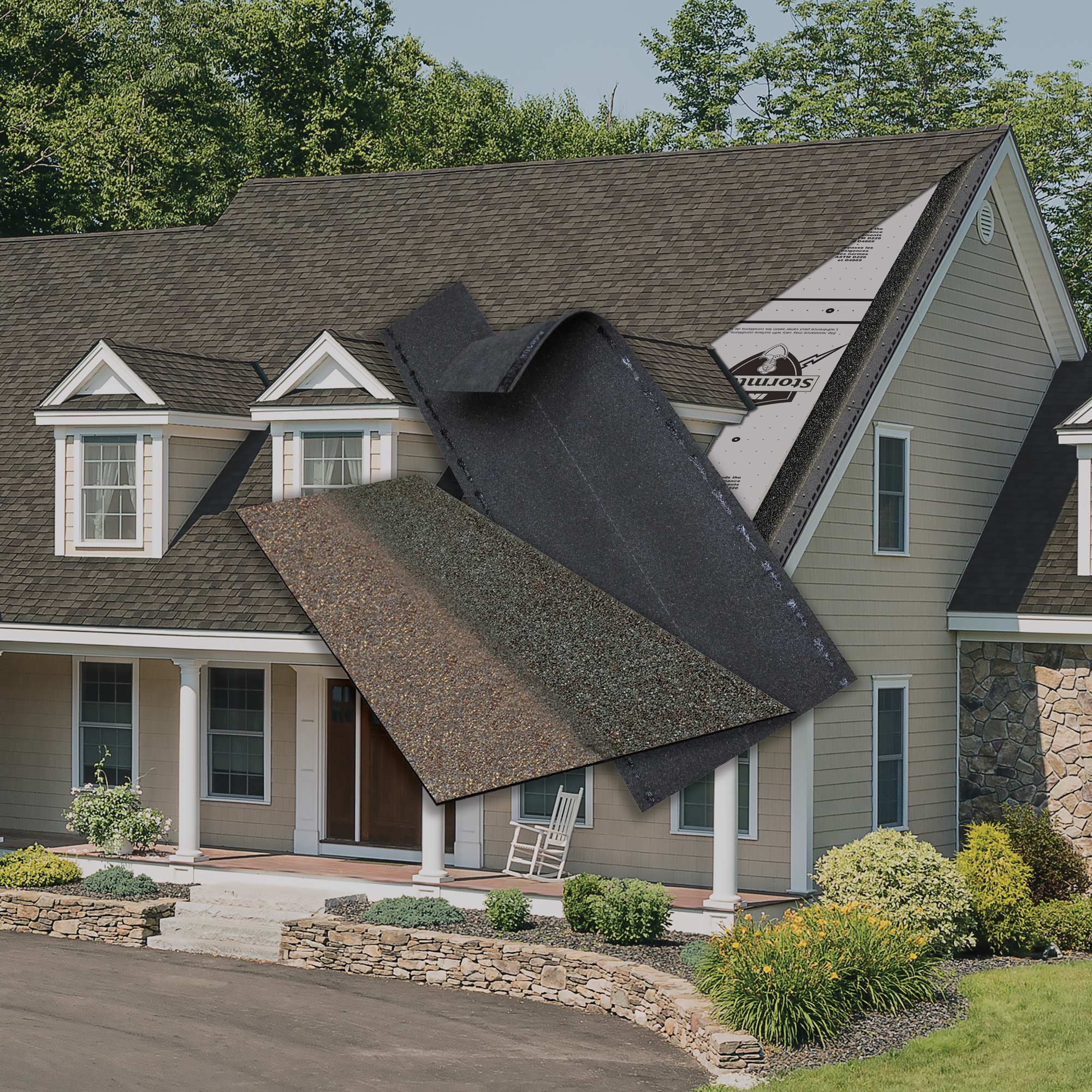
The Purpose of Starter Shingles Their Use & Function IKO
Cut Off Or A Starter Strip That Comes On Rolls In Various Widths.
Place This Modified Shingle At The Bottom Edge Of The Roof, Overhanging The Drip Edge By About 1/4 Inch.
Asphalt Starter Shingles Are The Most Common And Affordable Option, With Prices Typically Ranging From $0.50 To $1 Per Linear Foot.
The First Exposed Course Of Shingles Should Be Flush With Or, Slightly Over Hanging, The Starter Course.
Related Post: