
Gmu Psychology Courses
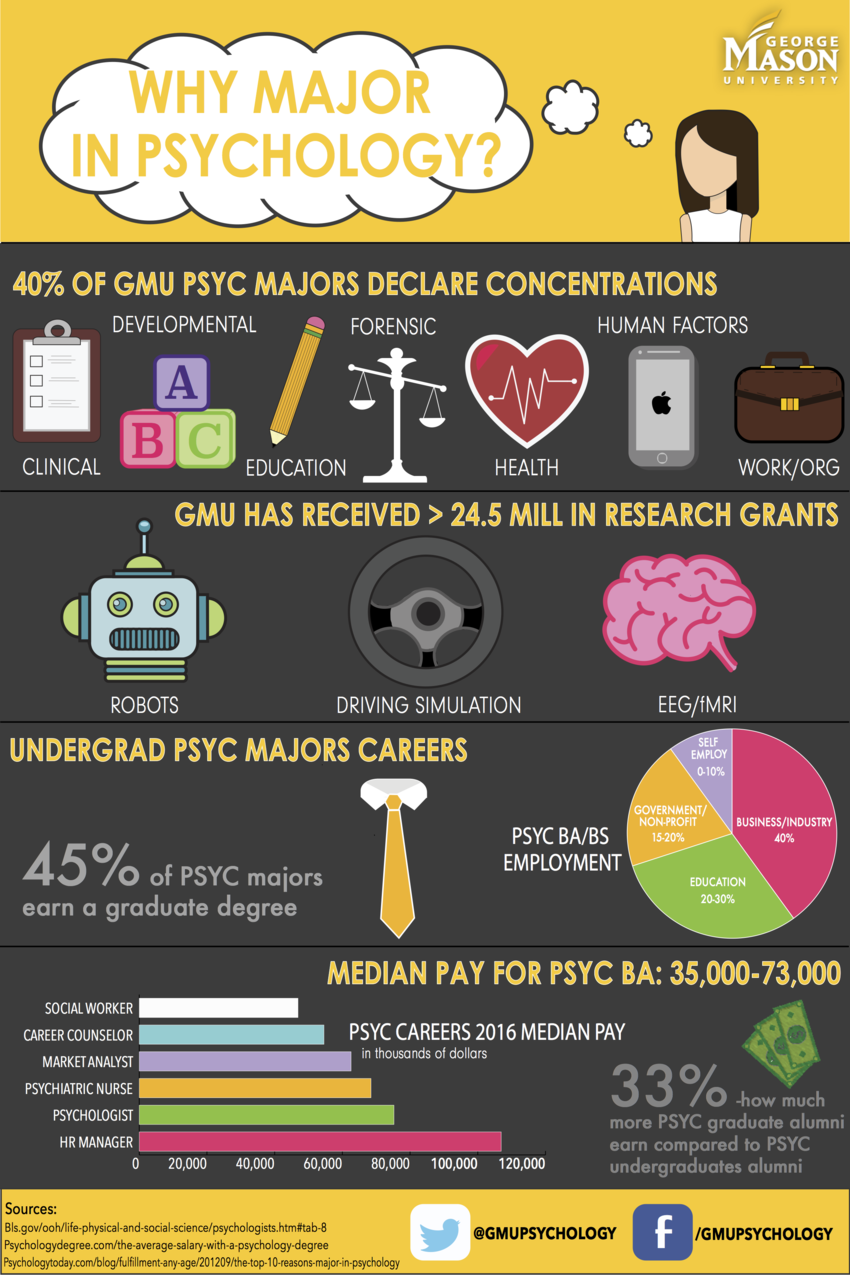
Gmu Psychology Courses - The department has five graduate program areas: Introduces psychology as scientific discipline. Students pursuing this degree must complete at least 39 credits in psychology and 35 credits in supporting courses. Students can also choose from special topics courses such as forensic psychology and romantic relationships. The following program sample is intended as a guide. For course syllabi from before 2011, please see our syllabus archive. There are no courses currently listed in criminology for spring 2025. All psychology majors complete a broad range of courses from social psychology and psychopathology to cognitive and biopsychology. Addresses both theoretical aspects of social problems through readings and class discussion and application through community service. We offer eight concentrations for psychology majors: The department has five graduate program areas: Students can also choose from special topics courses such as forensic psychology and romantic relationships. Students pursuing this degree must complete at least 39 credits in psychology and 35 credits in supporting courses. Examines concepts and methods in learning, motivation, development, personality, and measurement. The following program sample is intended as a guide. Students may choose to complete a concentration in clinical psychology (12 cr), cognitive and behavioral neuroscience (15 cr), development psychology (12 cr), educational psychology (12 cr), or health psychology (12 cr). This course may count for both applied psychology. There are no courses currently listed in criminology for spring 2025. We offer eight concentrations for psychology majors: The university catalog is the official reference for program information. There are no courses currently listed in criminology for spring 2025. Students who graduate from this program go on to work in a wide range of fields and positions, including human resources, data analysis, user interface design, and social media and marketing. Students can also choose from special topics courses such as forensic psychology and romantic relationships. The department has. Of the 39 credits earned through basic psychology courses, applied psychology courses and electives, 24 credits must be at the 300 and 400 level. The university catalog is the official reference for program information. Sociology · nursing · communication · political science · statistics Students who graduate from this program go on to work in a wide range of fields. This should be used as a framework for the completion of undergraduate coursework; The department has five graduate program areas: Students may choose to complete a concentration in clinical psychology (12 cr), cognitive and behavioral neuroscience (15 cr), development psychology (12 cr), educational psychology (12 cr), or health psychology (12 cr). Students may choose to complete a concentration in forensic. Students pursuing this degree must complete at least 39 credits in psychology and 35 credits in supporting courses. Students may choose to complete a concentration in forensic psychology, human factors and applied cognition, work and organizational psychology, clinical psychology, developmental psychology, educational psychology, or health psychology. There are no courses currently listed in criminology for spring 2025. Addresses both theoretical. Courses must be taken in the sequence outlined; Sociology · nursing · communication · political science · statistics Students may choose to complete a concentration in forensic psychology, human factors and applied cognition, work and organizational psychology, clinical psychology, developmental psychology, educational psychology, or health psychology. The department has five graduate program areas: Students pursuing this degree must complete at. Students may choose to complete a concentration in forensic psychology, human factors and applied cognition, work and organizational psychology, clinical psychology, developmental psychology, educational psychology, or health psychology. We offer eight concentrations for psychology majors: Students can also choose from special topics courses such as forensic psychology and romantic relationships. The university catalog is the official reference for program information.. Students can also choose from special topics courses such as forensic psychology and romantic relationships. This should be used as a framework for the completion of undergraduate coursework; Introduces psychology as scientific discipline. Of the 39 credits earned through basic psychology courses, applied psychology courses and electives, 24 credits must be at the 300 and 400 level. All psychology majors. Students may choose to complete a concentration in forensic psychology, human factors and applied cognition, work and organizational psychology, clinical psychology, developmental psychology, educational psychology, or health psychology. All psychology majors complete a broad range of courses from social psychology and psychopathology to cognitive and biopsychology. Course schedules on the site are updated regularly but may be a bit behind. Students may choose to complete a concentration in forensic psychology, human factors and applied cognition, work and organizational psychology, clinical psychology, developmental psychology, educational psychology, or health psychology. Students who graduate from this program go on to work in a wide range of fields and positions, including human resources, data analysis, user interface design, and social media and marketing. The. This should be used as a framework for the completion of undergraduate coursework; Students may choose to complete a concentration in forensic psychology, human factors and applied cognition, work and organizational psychology, clinical psychology, developmental psychology, educational psychology, or health psychology. The bachelor of science (bs) degree in psychology focuses on math and science within the psychology field. The university. The university catalog is the official reference for program information. This should be used as a framework for the completion of undergraduate coursework; This course may count for both applied psychology. The bachelor of science (bs) degree in psychology focuses on math and science within the psychology field. A broad range of courses includes social psychology, abnormal psychology, cognitive psychology and biopsychology, as well as several of the department’s special topics. Our ms in educational psychology with a concentration in individualized studies provides the opportunity to tailor the program to one’s professional interests. The following program sample is intended as a guide. The department has five graduate program areas: Students who graduate from this program go on to work in a wide range of fields and positions, including human resources, data analysis, user interface design, and social media and marketing. Explores social problems and interpersonal, intrapersonal, and social aspects of addressing them. The university catalog is the official reference for program information. Course schedules on the site are updated regularly but may be a bit behind the official schedule of classes. Of the 39 credits earned through basic psychology courses, applied psychology courses and electives, 24 credits must be at the 300 and 400 level. There are no courses currently listed in criminology for spring 2025. Examines concepts and methods in learning, motivation, development, personality, and measurement. For course syllabi from before 2011, please see our syllabus archive.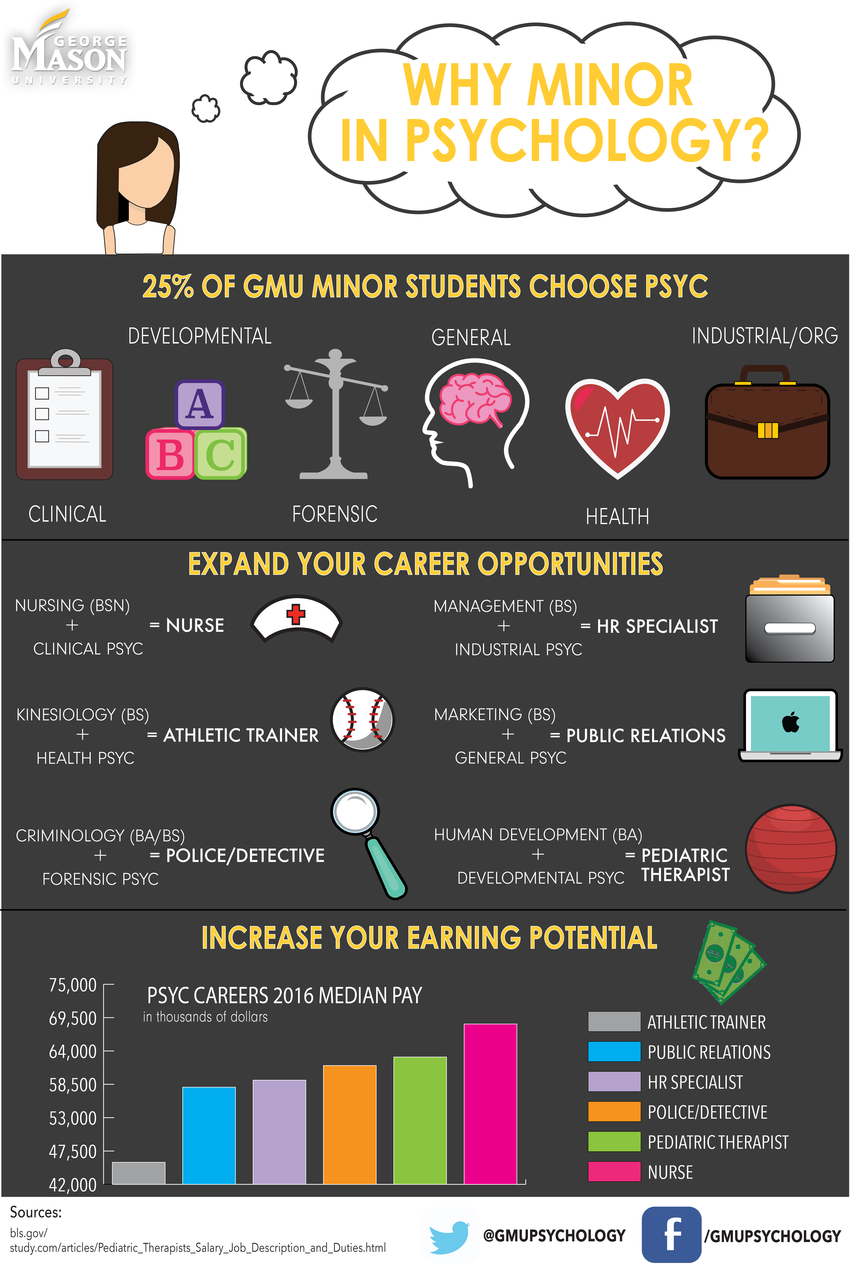
Psychology All Undergraduate Programs

Psychology Applied, Clinical, Cognitive, Behavioral
Psychology All Undergraduate Programs
GMU Psychology on Twitter "Attention! Are you a Clinical, Industrial
GMU Psychology on Twitter "Attention! Are you a Clinical, Industrial
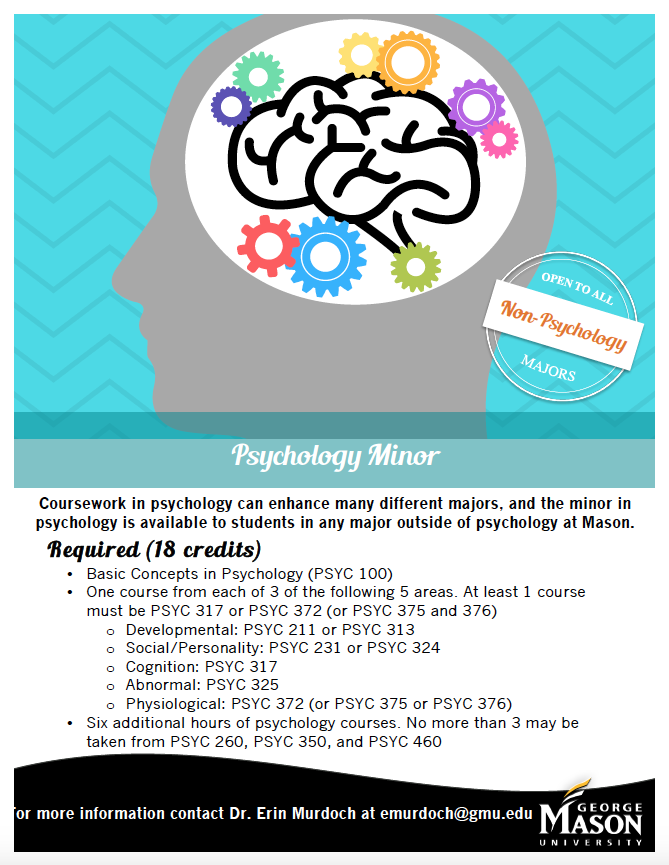
Programs Minor in Psychology

GMU Psychology on Twitter "Attention! Are you a Clinical, Industrial
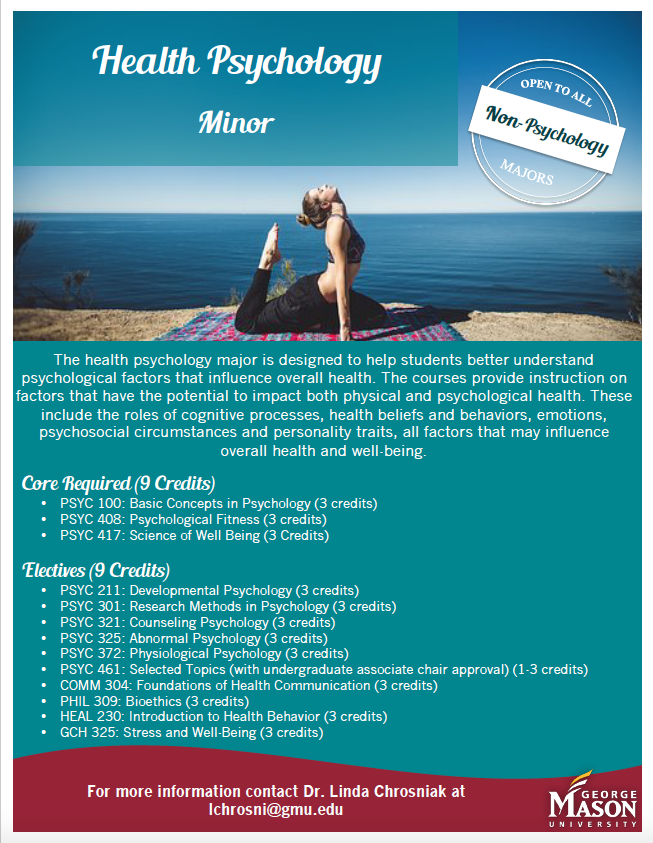
Psychology Programs Minor in Health Psychology
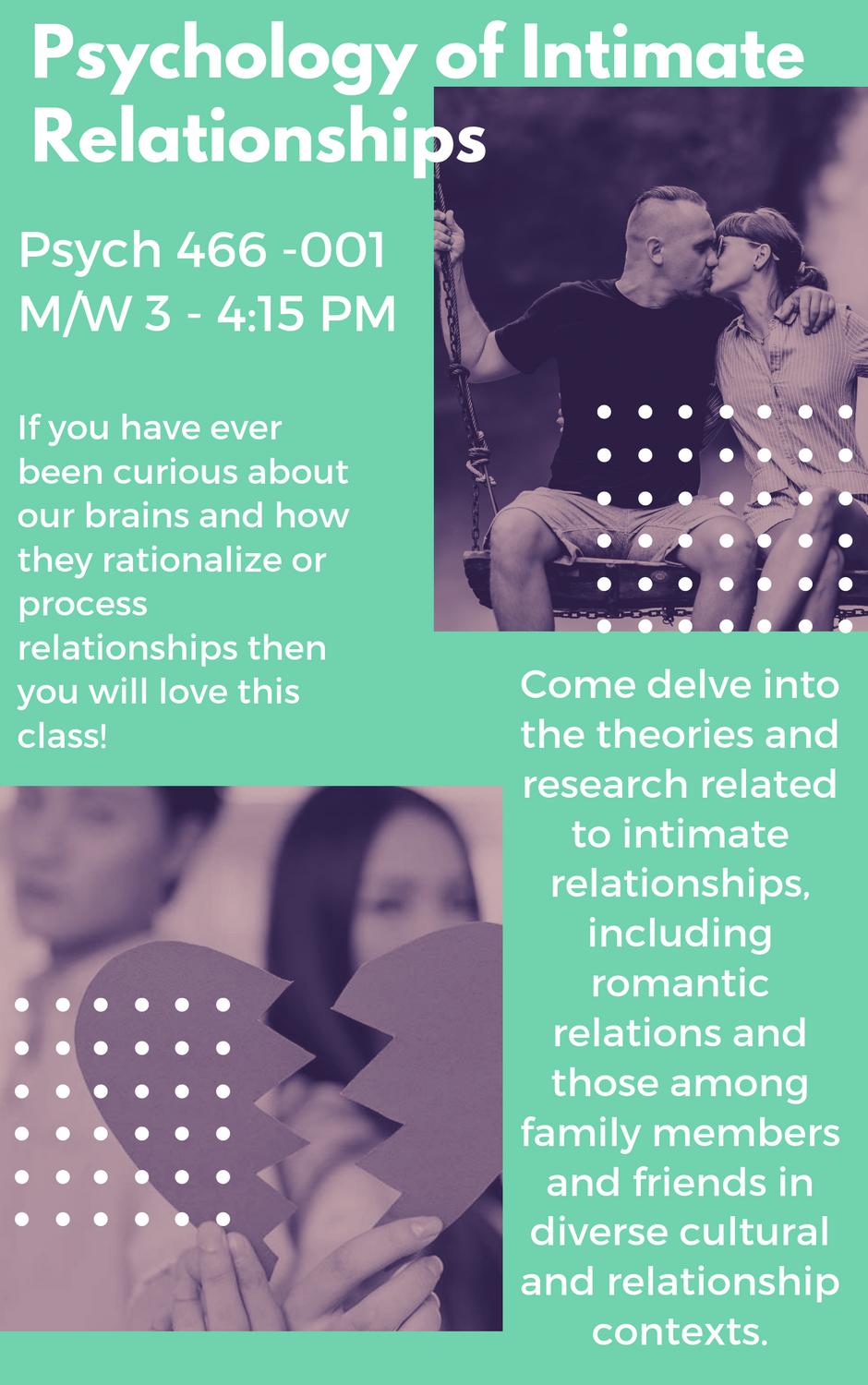
GMU Psychology on Twitter "Attention! Are you a Clinical, Industrial

Psychology Overview Minors In Psychology
Students Can Also Choose From Special Topics Courses Such As Forensic Psychology And Romantic Relationships.
Addresses Both Theoretical Aspects Of Social Problems Through Readings And Class Discussion And Application Through Community Service.
The Bs In Psychology Focuses On Math And Science Within The Psychology Field.
All Psychology Majors Complete A Broad Range Of Courses From Social Psychology And Psychopathology To Cognitive And Biopsychology.
Related Post: