Course Competencies
Course Competencies - D graduate medical education is no exception. Relate competencies to prerequisites and general education. Based upon the center for engaged learning, teaching, & scholarship (celts) conceptual framework and celts learning outcomes, the following competencies are aspirational for. Course competencies are statements that clearly express what students will be able to do as a result of the course. This clarity can help motivate them to develop the skills. Course overview and introduction 1.1: A general statement that describes the desired knowledge, skills, and behaviours of a student completing a course. Competencies commonly define the applied skills and. Competencies serve as the basis for skill standards that specify the level of knowledge, skills, and abilities required for. Use specific action verbs to express the performance expected. But the means by which students actually attain and master those competencies, those skills, is through the content.” to see what this looks like in practice, we explored. The third year consists of clinical clerkships in core disciplines and the clinical. Based upon the center for engaged learning, teaching, & scholarship (celts) conceptual framework and celts learning outcomes, the following competencies are aspirational for. Competencies and outcomes can be written to describe the learning gained by students in individual courses (course outcomes) or for the program as a whole (program. Competencies commonly define the applied skills and. What are the key differences between learning outcomes, learning objectives, and competencies? A general statement that describes the desired knowledge, skills, and behaviours of a student completing a course. Competencies serve as the basis for skill standards that specify the level of knowledge, skills, and abilities required for. The difference between competencies and learning objectives are: Learners are introduced to the purpose and structure of. Course overview and introduction 1.1: As you facilitate, show learners how the course skills relate to organizational competencies and their performance. Relate competencies to prerequisites and general education. Learning outcomes encompass the overall goals of a course or. A general statement that describes the desired knowledge, skills, and behaviours of a student completing a course. Use specific action verbs to express the performance expected. Learners are introduced to the purpose and structure of. Competencies serve as the basis for skill standards that specify the level of knowledge, skills, and abilities required for. Instructions make clear how to get started and where to find various course components. What are the key differences between learning outcomes, learning. A general statement that describes the desired knowledge, skills, and behaviours of a student completing a course. Instructions make clear how to get started and where to find various course components. Introduce the knowledge, skills and abilities required for transfer to upper division programs, or performance in career. Course overview and introduction 1.1: This clarity can help motivate them to. Introduce the knowledge, skills and abilities required for transfer to upper division programs, or performance in career. D graduate medical education is no exception. Student learning objectives/competencies describe what students should know, be able to do, and value by the. Competencies commonly define the applied skills and. Instructions make clear how to get started and where to find various course. The difference between competencies and learning objectives are: This clarity can help motivate them to develop the skills. Course competencies are statements that clearly express what students will be able to do as a result of the course. Introduce the knowledge, skills and abilities required for transfer to upper division programs, or performance in career. Student learning objectives/competencies describe what. Introduce the knowledge, skills and abilities required for transfer to upper division programs, or performance in career. As you facilitate, show learners how the course skills relate to organizational competencies and their performance. Learners are introduced to the purpose and structure of. Course competencies are statements that clearly express what students will be able to do as a result of. The third year consists of clinical clerkships in core disciplines and the clinical. A general statement that describes the desired knowledge, skills, and behaviours of a student completing a course. The difference between competencies and learning objectives are: As you facilitate, show learners how the course skills relate to organizational competencies and their performance. Relate competencies to prerequisites and general. For an overview of the phase 2 curriculum, you can access it on the main college website. A general statement that describes the desired knowledge, skills, and behaviours of a student completing a course. Course competencies are statements that clearly express what students will be able to do as a result of the course. As you facilitate, show learners how. As you facilitate, show learners how the course skills relate to organizational competencies and their performance. Competencies serve as the basis for skill standards that specify the level of knowledge, skills, and abilities required for. Introduce the knowledge, skills and abilities required for transfer to upper division programs, or performance in career. The third year consists of clinical clerkships in. Introduce the knowledge, skills and abilities required for transfer to upper division programs, or performance in career. D graduate medical education is no exception. Relate competencies to prerequisites and general education. But the means by which students actually attain and master those competencies, those skills, is through the content.” to see what this looks like in practice, we explored. As. Both the full course and accelerated course were conducted in the first two years, 2023 and 2024. Competencies are bundles of the essential knowledge, skills, and abilities (ksas) required to achieve an acceptable level of performance, while learning objectives are specific to a course. What are the key differences between learning outcomes, learning objectives, and competencies? This clarity can help motivate them to develop the skills. Learning outcomes encompass the overall goals of a course or. But the means by which students actually attain and master those competencies, those skills, is through the content.” to see what this looks like in practice, we explored. The difference between competencies and learning objectives are: Competencies commonly define the applied skills and. Course overview and introduction 1.1: Based upon the center for engaged learning, teaching, & scholarship (celts) conceptual framework and celts learning outcomes, the following competencies are aspirational for. Introduce the knowledge, skills and abilities required for transfer to upper division programs, or performance in career. D graduate medical education is no exception. Competencies and outcomes can be written to describe the learning gained by students in individual courses (course outcomes) or for the program as a whole (program. The third year consists of clinical clerkships in core disciplines and the clinical. Competencies serve as the basis for skill standards that specify the level of knowledge, skills, and abilities required for. As you facilitate, show learners how the course skills relate to organizational competencies and their performance.
Learning to Competencies Competency based education
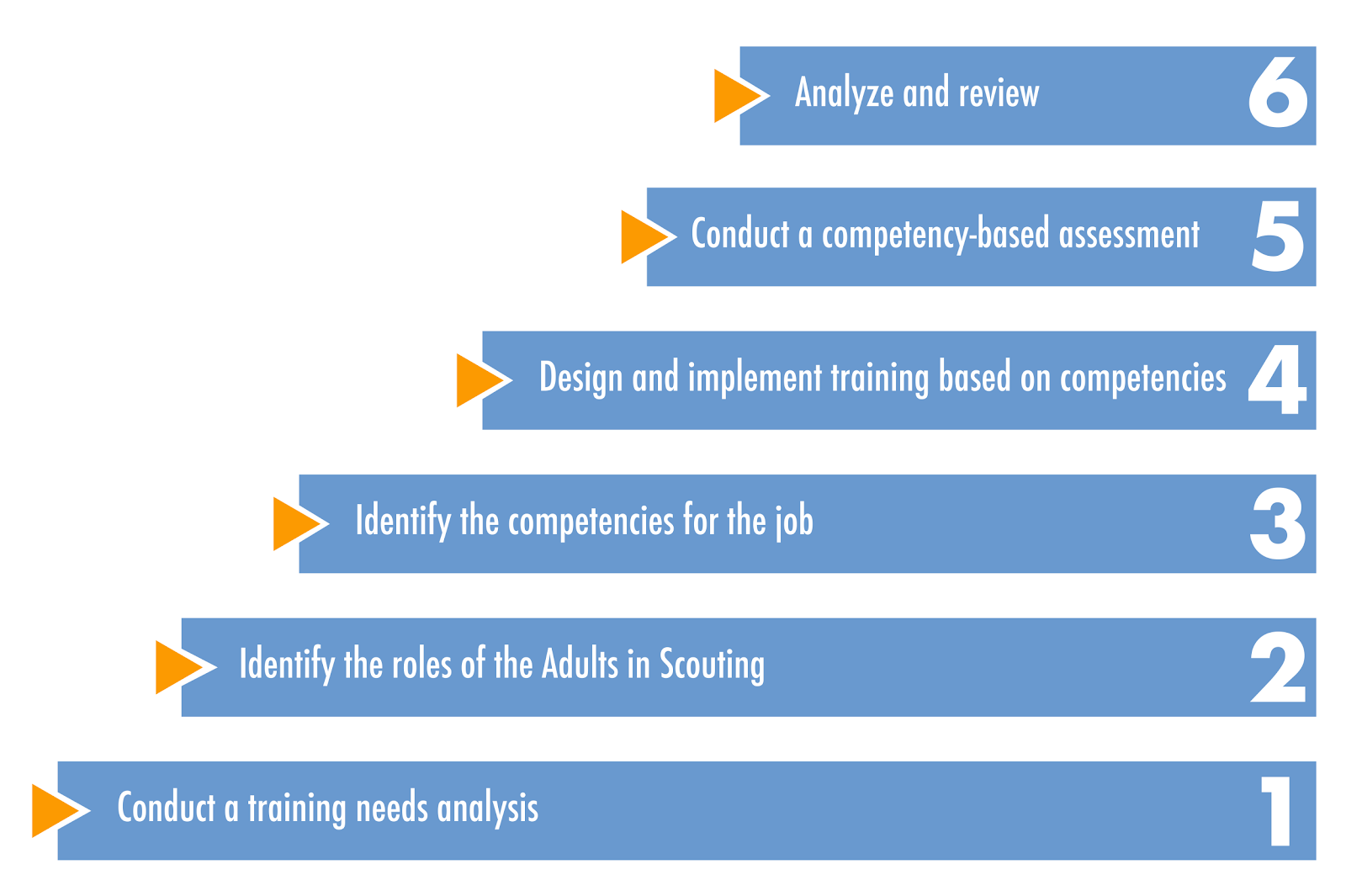
Competency Based Approach in Training Scoutship

Classic Learning Research in Practice Competency eLearning
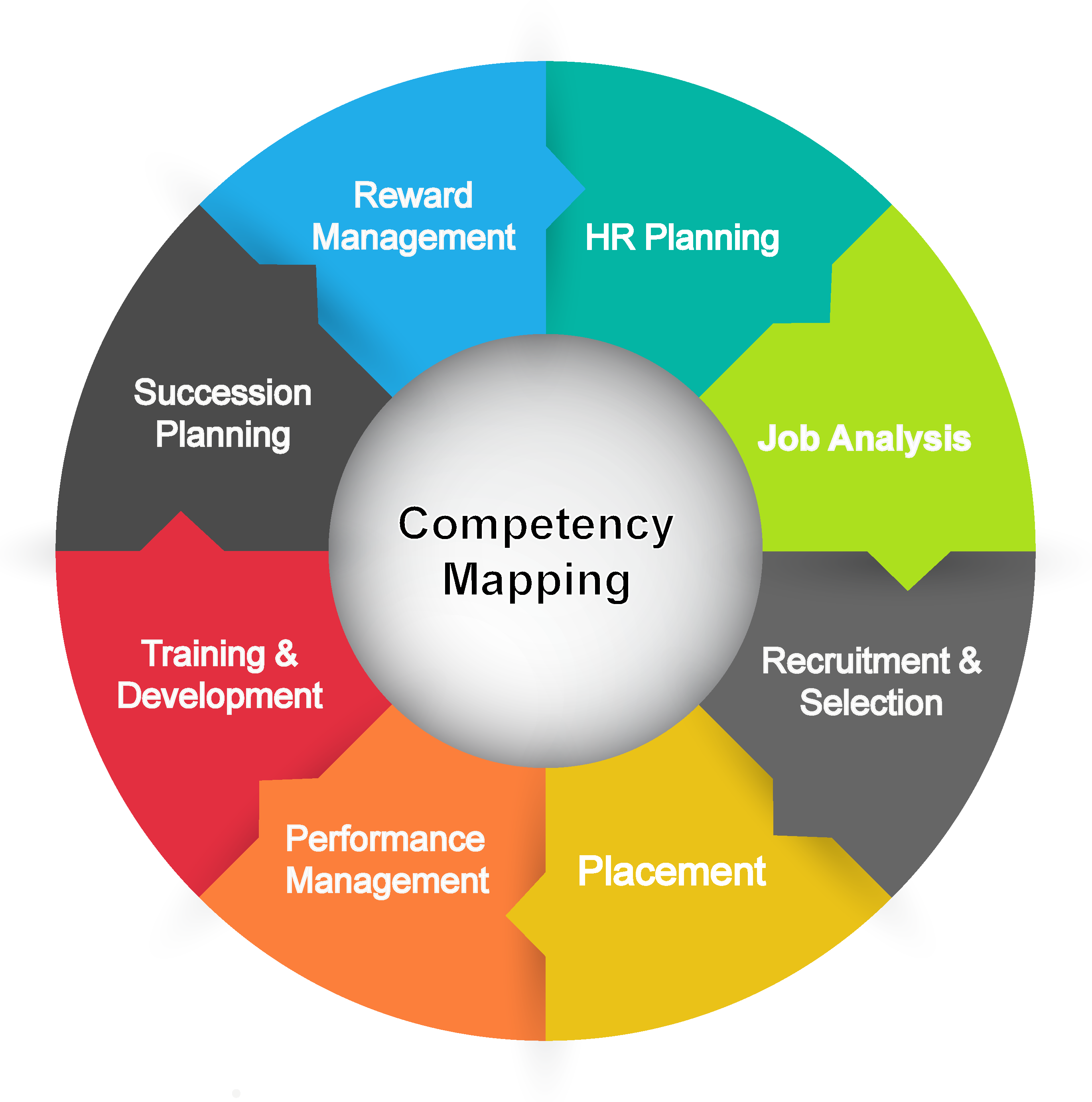
Training Competency Mapping

Hospitality Training Competency Program CHART
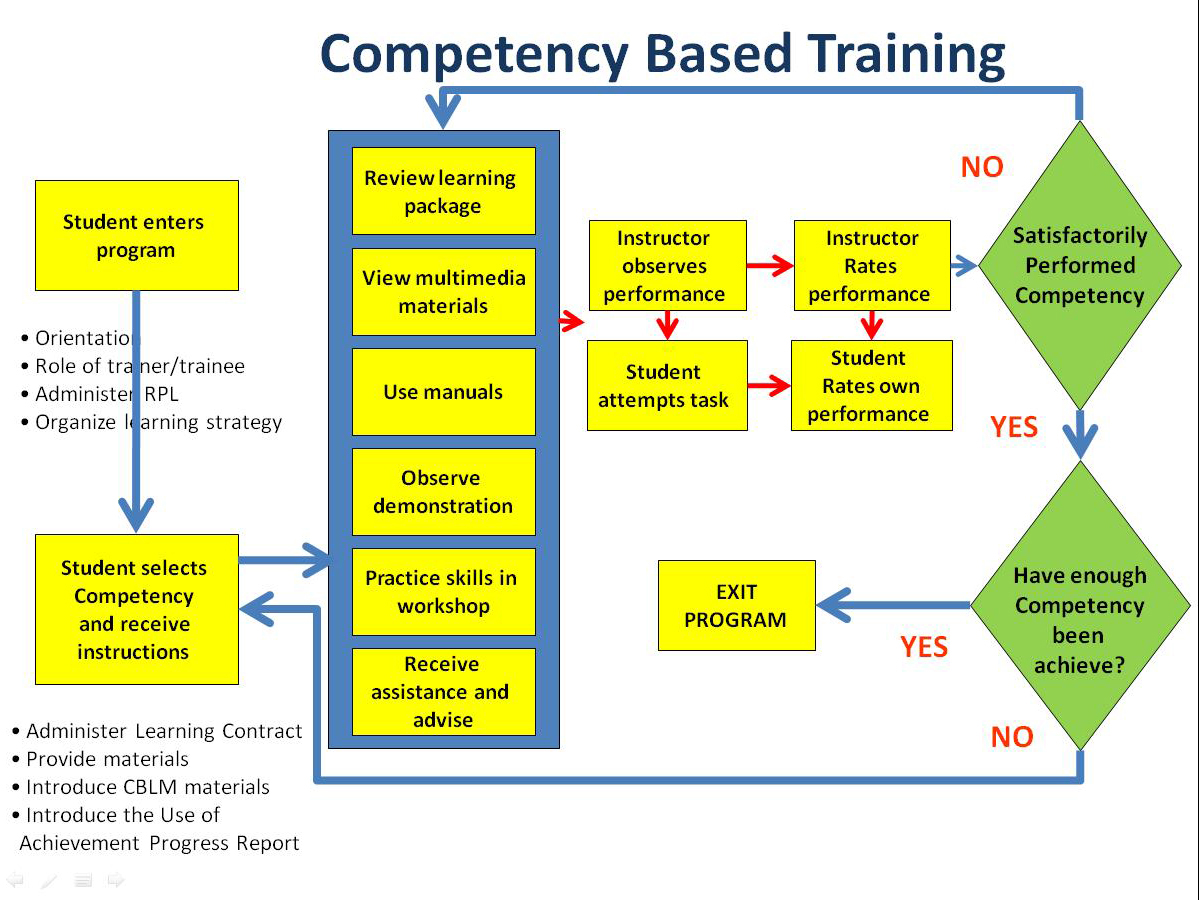
Trainer Methodology1 Lesson Notes (etesda.gov.ph) Unit 1 Lesson 3.0

PPT Course Competency Development PowerPoint Presentation, free

Students Learning Through Competencies Alberta Resources
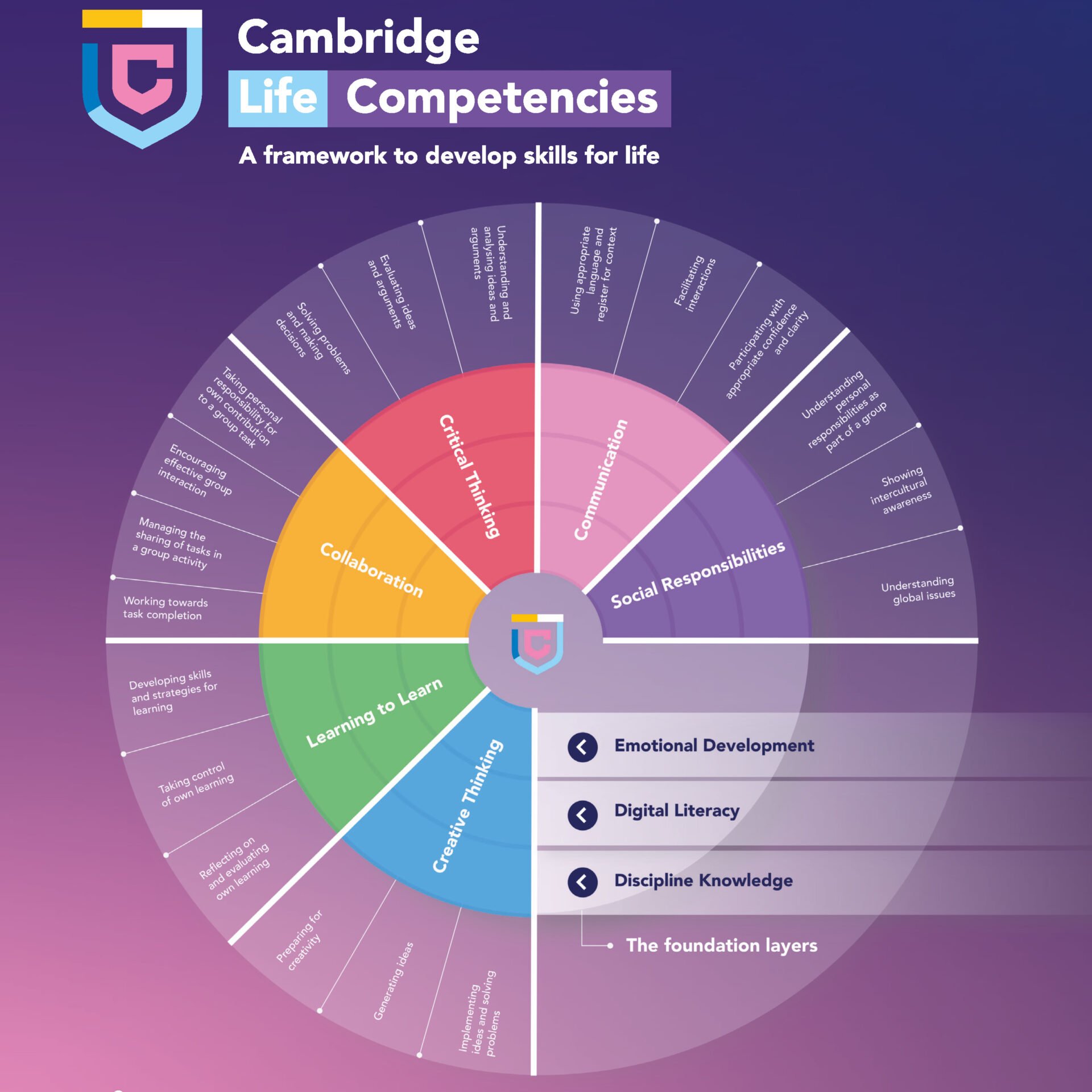
World of Better Learning

Phase 2 EPORTFOLIO
Learners Are Introduced To The Purpose And Structure Of.
A General Statement That Describes The Desired Knowledge, Skills, And Behaviours Of A Student Completing A Course.
Use Specific Action Verbs To Express The Performance Expected.
For An Overview Of The Phase 2 Curriculum, You Can Access It On The Main College Website.
Related Post: