
Anxious Attachment Course
Anxious Attachment Course - The primary modality is guided, visualization meditation that uses “perfect nurturers” to. Below, farina and epstein share typical characteristics of each style for. Discover powerful tools that will help you learn what secure attachment feels like. Anxious, avoidant, disorganized and secure. The attachment project’s repair course is structured to help you achieve a more secure attachment style. Are you ready to heal your old relationship patterns, increase your sense of calm and groundedness, and feel more confident in partnerships? I know attachment theory…but how do i apply it when i’m working with clients? We can do this together! It is 100% possible to heal your early attachment wounds and come back to your true, authentic self. It's time for you to have the deep intimacy, connection, inner peace, and reciprocal relationships you desire. You watch the videos and complete the worksheets at. Click here to enroll it won't last long! Through 40+ video lessons, engaging activities, exercises, and worksheets, you will gain the tools and insights needed to foster healthy, secure relationships. The attachment project’s repair course is structured to help you achieve a more secure attachment style. Participants will gain practical tools to manage attachment anxiety, foster emotional resilience, and enhance relationship security. As a professional, you’re in a unique relationship with your clients. I want to give you what i didn’t have when i first started exploring attachment: Below, farina and epstein share typical characteristics of each style for. Clients with this attachment style crave closeness but fear vulnerability, leading to inconsistent and often confusing behavior in relationships (00:15:34). It does so by pulling together knowledge and strategies from multiple fields of psychology to meet your individual needs. The attachment project’s repair course is structured to help you achieve a more secure attachment style. Are you ready to heal your old relationship patterns, increase your sense of calm and groundedness, and feel more confident in partnerships? I know attachment theory…but how do i apply it when i’m working with clients? As a professional, you’re in a unique relationship. As a professional, you’re in a unique relationship with your clients. Online course healing anxious attachment. I want to give you what i didn’t have when i first started exploring attachment: Through guided meditation and art therapy techniques, you'll gain the confidence to attract and maintain secure relationships —no manipulative tactics or endless talk therapy required. The attachment project’s repair. As a professional, you’re in a unique relationship with your clients. It is 100% possible to heal your early attachment wounds and come back to your true, authentic self. I know attachment theory…but how do i apply it when i’m working with clients? Anxious, avoidant, disorganized and secure. The attachment project’s repair course is structured to help you achieve a. As a professional, you’re in a unique relationship with your clients. This statement is usually based on their experience of having a keen and even intense awareness. An 8 part online advanced course designed to give you everything you need to overcome your anxious attachment style and build a more secure one. This course is best taken after either the. I know attachment theory…but how do i apply it when i’m working with clients? Kimberly chew, a clinical psychologist, this workshop explores the origins of anxious attachment and its effects on relationships. This course is best taken after either the experiencing secure attachment or the attachment theory and repair. The primary modality is guided, visualization meditation that uses. As a. Also known as disorganized attachment, this style combines elements of both anxious and avoidant attachment. Below, farina and epstein share typical characteristics of each style for. You watch the videos and complete the worksheets at. Discover powerful tools that will help you learn what secure attachment feels like. This course is best taken after either the experiencing secure attachment or. As a professional, you’re in a unique relationship with your clients. Through guided meditation and art therapy techniques, you'll gain the confidence to attract and maintain secure relationships —no manipulative tactics or endless talk therapy required. 8 week online course in attachment theory with guided meditations to help change your attachment style from insecure to secure. Kimberly chew, a clinical. Participants will gain practical tools to manage attachment anxiety, foster emotional resilience, and enhance relationship security. As a professional, you’re in a unique relationship with your clients. Click here to enroll it won't last long! Our attachment and dissociation training for therapists will teach you how to gently guide your patients through their unprocessed childhood trauma. Discover powerful tools that. It does so by pulling together knowledge and strategies from multiple fields of psychology to meet your individual needs. You watch the videos and complete the worksheets at. Learn practical skills that get to the root of trauma, strengthen secure attachment and bring healing to any relationship. As a professional, you’re in a unique relationship with your clients. With the. Also known as disorganized attachment, this style combines elements of both anxious and avoidant attachment. Are you ready to heal your old relationship patterns, increase your sense of calm and groundedness, and feel more confident in partnerships? According to attachment theory, there are four specific attachment styles: This course is packed with information to support you on your healing journey.. Below, farina and epstein share typical characteristics of each style for. Our attachment and dissociation training for therapists will teach you how to gently guide your patients through their unprocessed childhood trauma. According to attachment theory, there are four specific attachment styles: 8 week online course in attachment theory with guided meditations to help change your attachment style from insecure to secure. Virtual 1:1 coaching sessions to support you with your attachment style, anxiety or overall mental wellbeing. It is 100% possible to heal your early attachment wounds and come back to your true, authentic self. Anxious, avoidant, disorganized and secure. The primary modality is guided, visualization meditation that uses. Learn practical skills that get to the root of trauma, strengthen secure attachment and bring healing to any relationship. As a professional, you’re in a unique relationship with your clients. It does so by pulling together knowledge and strategies from multiple fields of psychology to meet your individual needs. Through 40+ video lessons, engaging activities, exercises, and worksheets, you will gain the tools and insights needed to foster healthy, secure relationships. With the heal your anxious attachments intensive, my curated coaching program, you’ll learn everything you need to move from anxious to secure attachment—so you can experience deep love, confidence, and emotional stability. It's time for you to have the deep intimacy, connection, inner peace, and reciprocal relationships you desire. This statement is usually based on their experience of having a keen and even intense awareness. Also known as disorganized attachment, this style combines elements of both anxious and avoidant attachment.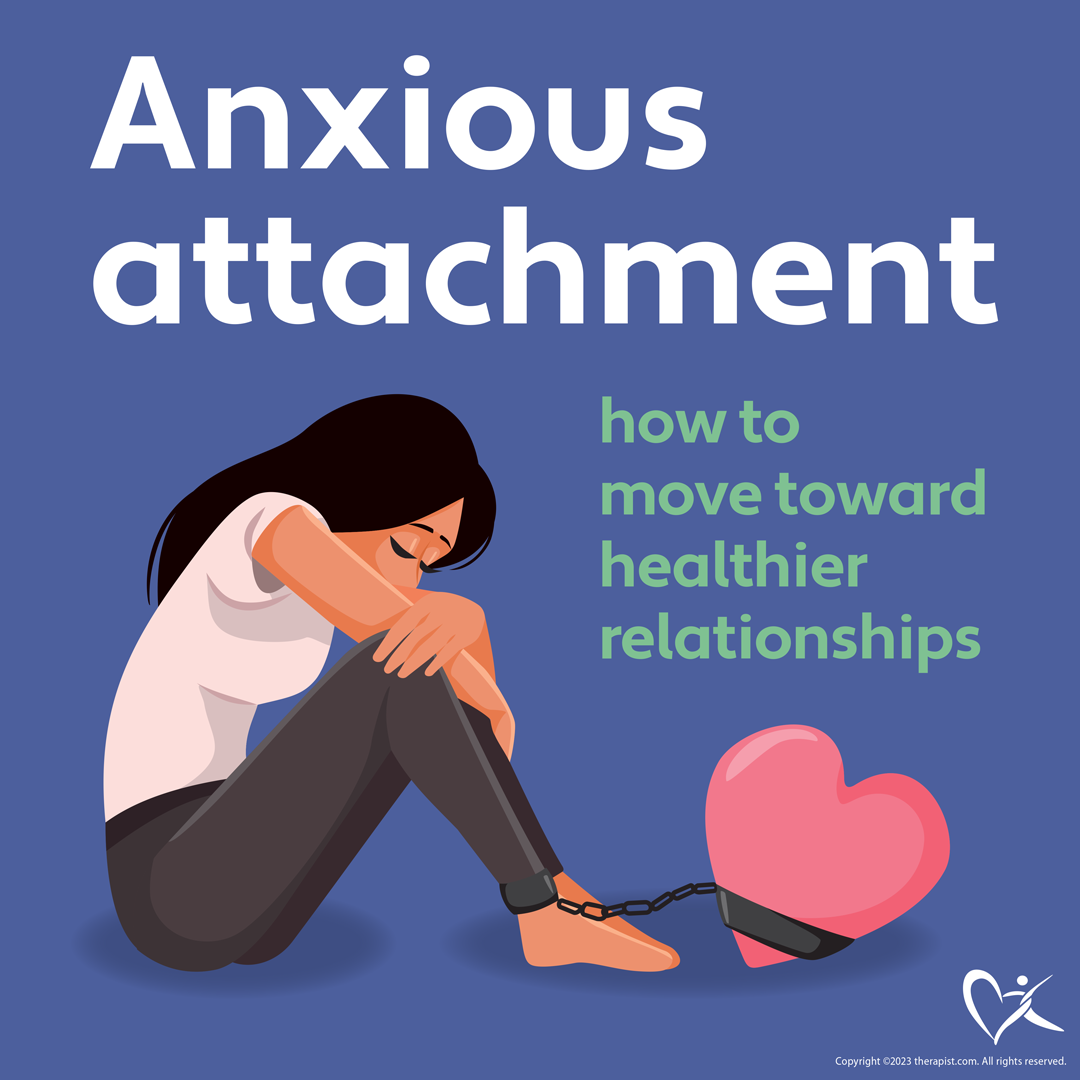
Anxious Attachment Infographic

How to SelfSoothe Anxious Attachment (A Guide) Attachment in Adult
Anxious Attachment Infographic PDF

Anxious Attachment Workbook, Attachment Style Workbook, Attachment
Anxious Attachment Course Attachment Style Chris
Anxious Attachment Free Guide
3 Steps to Manage Anxious Attachment Style When Your Date or Partner is
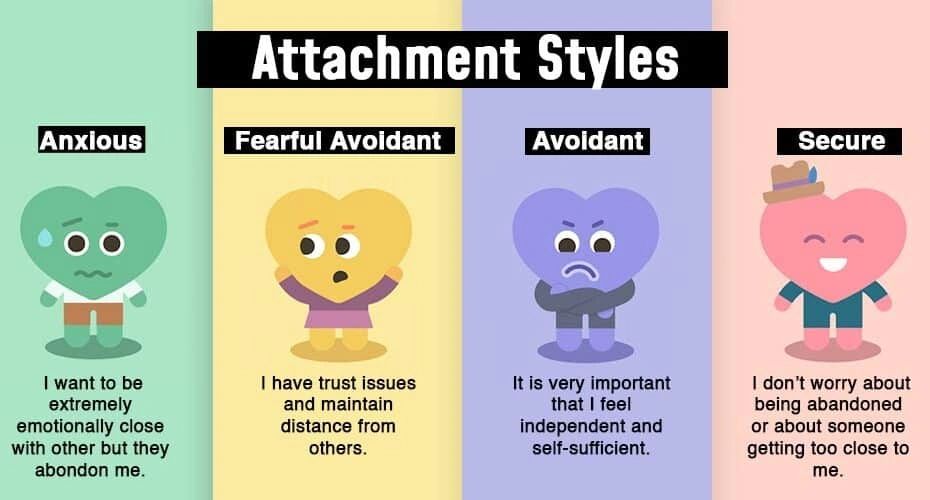
Anxious Attachment Style Definition Signs Causes And How To Fix It

Fixing Avoidant And Anxious Attachment In Your Relationship Attachment

How to Help with anxious attachment Rebooting Relationships
I Know Attachment Theory…But How Do I Apply It When I’m Working With Clients?
The Primary Modality Is Guided, Visualization Meditation That Uses “Perfect Nurturers” To.
You Watch The Videos And Complete The Worksheets At.
Click Here To Enroll It Won't Last Long!
Related Post:
